
School Programs
JK TO GRADE 12+
Learning through original works of art
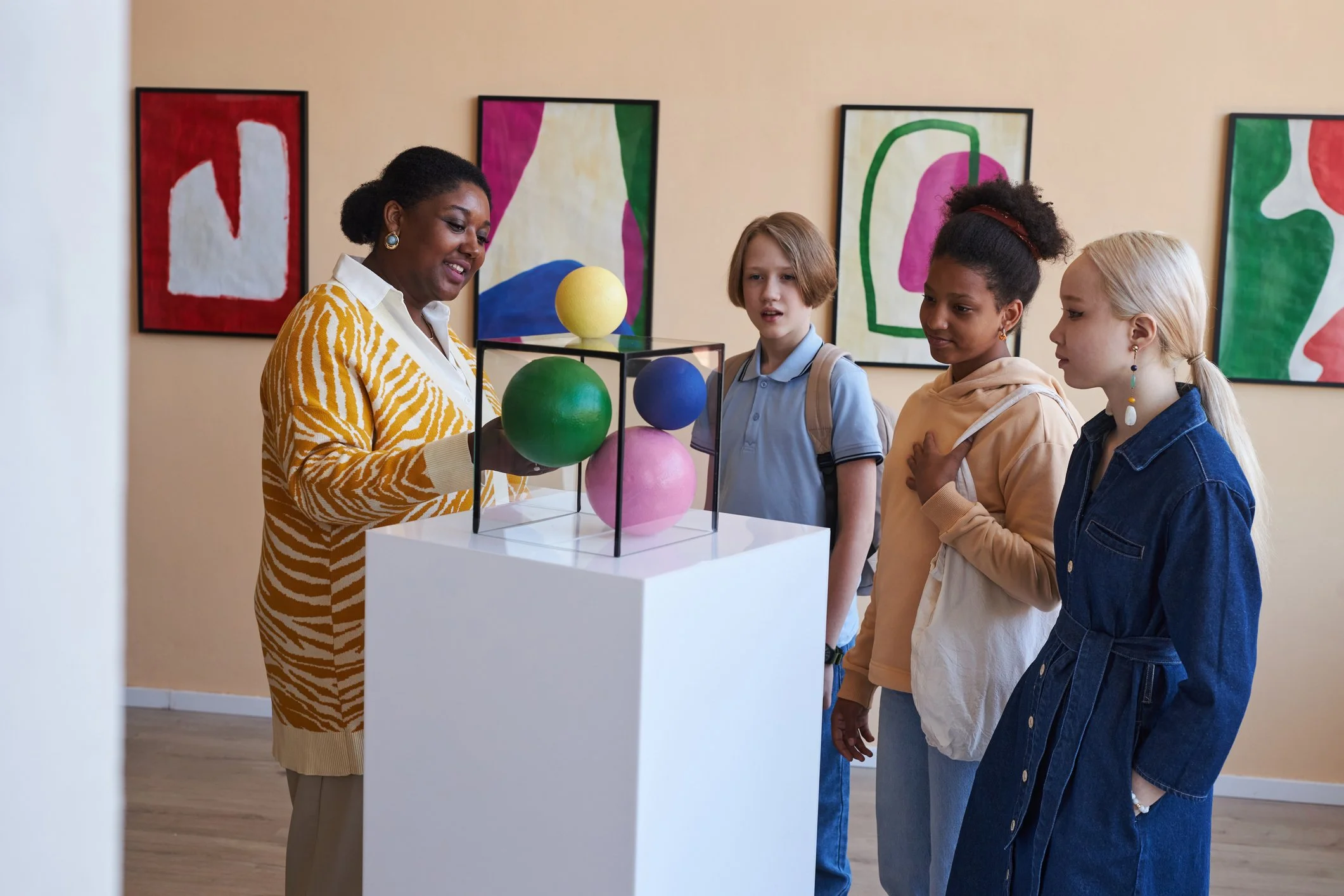
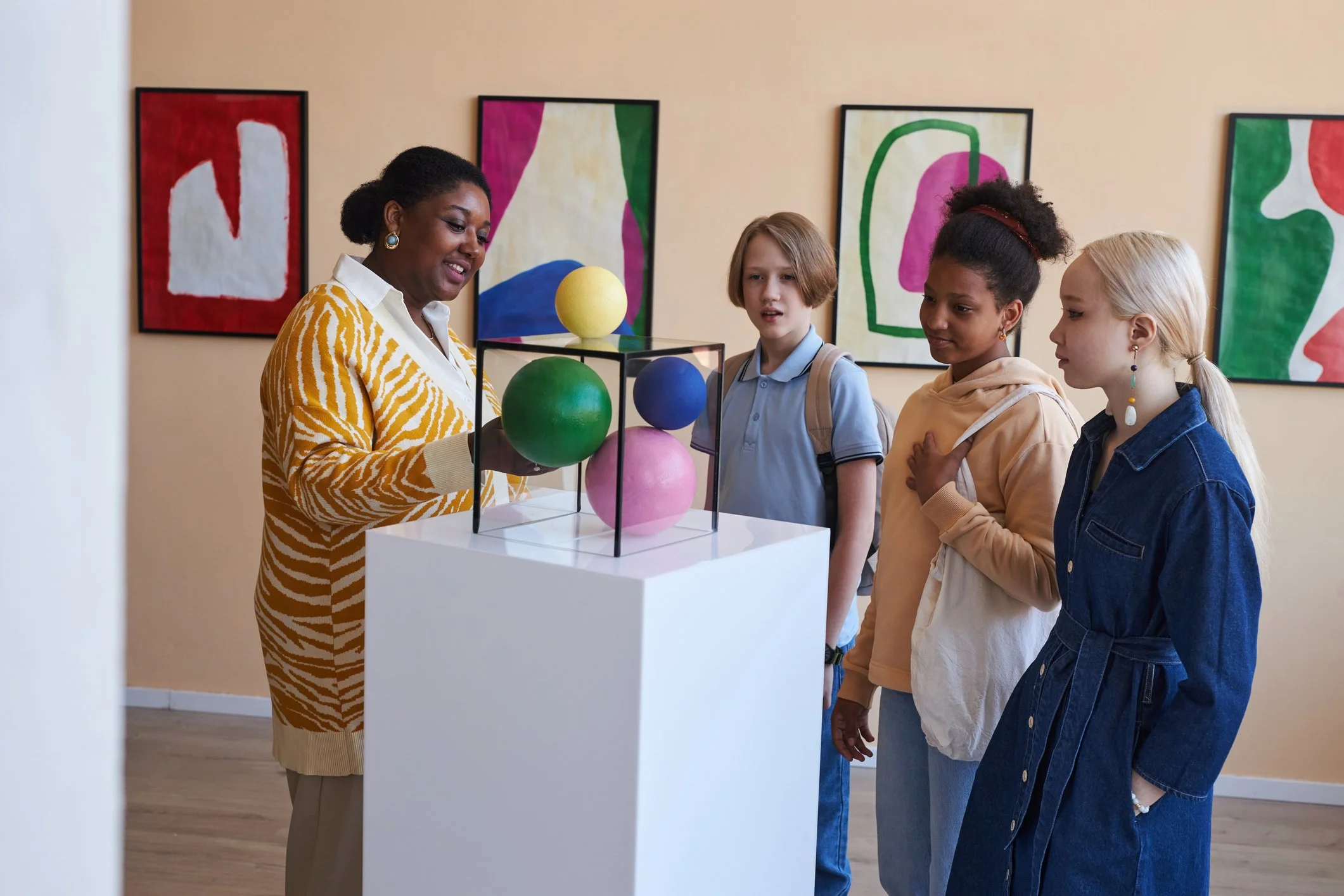
Our school programs connect students with original works of art through inquiry, observation, discussion, and hands-on artmaking. Designed to support curriculum outcomes across grade levels, each program encourages students to think critically, express themselves creatively, and develop visual literacy skills while exploring meaningful connections between art and the world around them.
Find a program for your class
Programs build from discovering art to using it for inquiry and advocacy.
Early Learners · PreK–K
Discovering art
Art Adventures
Designed for early learners, Art Adventures introduces students to the exciting world of visual art through an interactive gallery experience. Students will explore artworks using observation, discussion, and play-based learning strategies that encourage curiosity and creative thinking. As they look closely at different artworks, students will be introduced to foundational elements of art such as colour, shape, line, texture, and pattern.
Full description and studio details
Through guided conversations, students will build early visual literacy skills and expand their art-related vocabulary while learning to express their ideas, observations, and feelings about what they see. The program encourages students to make connections between artworks and their own experiences, fostering confidence in creative expression and appreciation for diverse artistic perspectives.
Following the gallery visit, students will participate in a hands-on studio activity where they experiment with a variety of materials and techniques inspired by the artworks they explored.
Studio options
- Mixed Media CollageStudents will create their own collage artwork using a range of materials, colours, textures, and shapes. Through cutting, tearing, layering, and arranging materials, students will explore creative decision-making while developing fine motor skills and an understanding of composition.
- Model Magic CreationsStudents will create their own 3D sculptures out of Crayola’s non-toxic air dry clay. Let imaginations run wild, add colour, and bring their designs to life.
Primary · Grades 1–3
Learning to observe and discuss art
Look, Discover, Create
What do you see? Look, Discover, Create encourages students to become active observers as they explore a variety of artworks in the gallery, including paintings, sculptures, and mixed media works. Through guided discussion and close-looking activities, students will discover how artists use elements such as colour, shape, line, texture, and form to communicate ideas, express emotions, and tell stories.
Full description and studio details
Students will be encouraged to share their observations, ask questions, and consider different interpretations of artworks, helping to build visual literacy, critical thinking, and communication skills. As they engage with art and one another, students will develop confidence in expressing their own ideas and responding thoughtfully to the perspectives of others.
Following the gallery experience, students will participate in a hands-on studio activity inspired by the artworks they explored. Using a variety of materials and techniques, they will experiment with creative processes while developing their artistic skills and personal expression.
This program provides an engaging introduction to the art gallery as a place for discovery, creativity, and conversation.
Studio options
- Mixed Media CollageStudents will create a layered artwork using a variety of materials, colours, textures, and shapes. Through cutting, arranging, and combining materials, they will explore composition, storytelling, and creative problem-solving.
- Watercolour PaintingStudents will experiment with watercolour techniques to explore colour, texture, and mark-making. Inspired by artworks in the gallery, they will create their own painting while learning how artists use colour and composition to communicate ideas and feelings.
Juniors · Grades 4–6
Exploring place, environment, identity, and personal connections
Art and the World Around Us
How can art help us understand and respond to environmental issues? In Art and the World Around Us, students will explore how artists across time, cultures, and places have represented the natural world and human relationships with the environment. Through the examination of landscapes and environmental artworks, students will consider how artists communicate ideas about place, sustainability, stewardship, technology, and environmental change.
Full description and studio details
Guided gallery discussions will encourage students to think critically about how the land has been shaped by both natural processes and human activity. Students will explore questions about responsibility, conservation, and the ways art can inspire awareness and action on environmental issues. Along the way, they will strengthen their observation, interpretation, and visual literacy skills while making connections between art, geography, history, and environmental education.
In the studio, students will apply artistic techniques and creative problem-solving strategies to create an artwork inspired by their own experiences, observations, and perspectives on the land. Through the creative process, they will reflect on their relationship with the environment and consider how art can be used to express ideas about the places we live.
Studio options
- 3D SculptureStudents will create a three-dimensional artwork inspired by natural forms, landscapes, or environmental themes while exploring structure, form, texture, and spatial relationships.
- Mixed Media CollageUsing a variety of materials, students will create layered landscape-inspired compositions that explore connections between people, place, and the environment.
- Painting (Acrylic or Watercolour)Students will experiment with painting techniques to create a landscape or environmental artwork that communicates a personal perspective on the land.
Identity and Self-Expression
Who are we, and how can art help tell our stories? In Identity and Self-Expression, students will explore how artists communicate personal experiences, cultural heritage, values, and beliefs through their work. Through the examination of portraits, self-portraits, and other forms of personal expression, students will consider how identity is shaped by family, community, culture, interests, and lived experiences.
Full description and studio details
Guided gallery discussions will encourage students to investigate the choices artists make, including the use of symbols, materials, colour, composition, and style. As they interpret artworks and share their own perspectives, students will strengthen visual literacy, critical thinking, and communication skills while developing an appreciation for diverse identities and experiences.
Students will reflect on the many factors that contribute to their own sense of self and explore how art can be used as a tool for self-expression and storytelling. In the studio, they will create a personal artwork inspired by aspects of their identity, experiences, interests, or cultural connections.
This program supports social-emotional learning by encouraging self-awareness, empathy, confidence, and respectful engagement with the experiences and perspectives of others.
Studio options
- Mixed Media CollageStudents will combine images, textures, colours, and symbols to create a layered artwork that reflects aspects of their identity and personal story.
- Painting (Acrylic or Watercolour)Students will create a portrait, self-portrait, or symbolic artwork that explores identity through colour, imagery, and composition.
Intermediates · Grades 7–8
Examining identity within broader social contexts and understanding art as a form of engagement
Identity and Self-Expression
How do artists communicate who they are and what matters to them? In Identity and Self-Expression, students will explore how artists use visual art to examine identity, personal experiences, cultural heritage, and social perspectives. Through the study of contemporary and historical artworks, students will consider how identity is shaped by factors such as culture, family, community, gender, language, beliefs, and lived experience.
Full description and studio details
Guided gallery discussions will encourage students to think critically about how artists represent themselves and others, and how artworks can reflect, challenge, or celebrate different perspectives. Students will strengthen their visual literacy skills by analyzing symbols, materials, techniques, and artistic choices, while considering how context influences the creation and interpretation of art.
Throughout the program, students will reflect on their own experiences and identities while engaging respectfully with the perspectives of others. In the studio, they will create a personal artwork that communicates aspects of their identity, values, interests, or experiences, using artistic choices to convey meaning and self-expression.
This program supports social-emotional learning by fostering self-awareness, empathy, confidence, and an appreciation for diverse voices and perspectives.
Studio options
- Painting (Acrylic or Watercolour)Students will create a symbolic or representational artwork that explores aspects of identity through colour, imagery, composition, and personal narrative.
- Zine MakingStudents will design and create a small booklet that combines text and imagery to communicate personal experiences, interests, beliefs, or perspectives. Through storytelling and design, they will explore art as a tool for communication and self-expression.
Art in Action
How can art be used to create change? Throughout history, artists have used their work to respond to the issues shaping their communities and the wider world. In Art in Action, students will explore how art can be a powerful form of communication, advocacy, and civic engagement.
Full description and studio details
Through guided gallery discussions, students will examine artworks that address themes such as identity, equity, environment, community, social justice, and activism. They will consider how artists use imagery, symbolism, materials, text, and composition to communicate messages, influence public opinion, and encourage dialogue. Students will also reflect on the role of artists as storytellers, advocates, and agents of change.
As they analyze artworks and share their perspectives, students will strengthen critical thinking, visual literacy, and communication skills while exploring multiple viewpoints on contemporary and historical issues. In the studio, students will create an artwork inspired by a cause, issue, or idea that is meaningful to them, using creative expression to communicate a message and engage an audience.
This program empowers students to consider how their own voices, experiences, and ideas can contribute to conversations within their communities and beyond.
Studio options
- Zine MakingStudents will create a small zine that combines text and imagery to raise awareness about an issue, share a perspective, or advocate for a cause they care about.
- Creative WritingStudents will respond to artworks and social themes through poetry, personal narrative, spoken word, or persuasive writing, exploring the power of language as a tool for expression and change.
- Multimedia ArtStudents will combine a variety of materials, images, and techniques to create a mixed-media artwork that communicates a message, raises awareness, or inspires action around a topic of personal importance.
Secondary · Grades 9–12
Critically analyzing art's role in society and using creative practice as a form of inquiry, advocacy, and communication
Art in Action
How can art be used to create change? In Art in Action, students will investigate the ways artists use visual culture to respond to social, political, cultural, and environmental issues. Through the exploration of contemporary and historical artworks, students will examine how artists challenge dominant narratives, amplify marginalized voices, advocate for change, and encourage public dialogue.
Full description and studio details
During a guided gallery experience, students will analyze artworks that address themes such as identity, activism, community, justice, equity, and civic engagement. Through discussion and critical inquiry, they will consider how artists use symbolism, materials, composition, text, and media to communicate ideas and influence audiences. Students will explore questions about the role of art in society, the responsibilities of artists and audiences, and the potential for creative expression to inspire awareness and action.
As they engage with diverse perspectives and contemporary issues, students will strengthen their visual literacy, critical thinking, communication, and analytical skills. They will be encouraged to consider the connections between art and their own experiences, communities, and concerns.
In the studio, students will create an artwork that responds to a social, cultural, environmental, or political issue of personal significance. Through research, reflection, and creative experimentation, they will develop a work that communicates a message, expresses a viewpoint, or invites dialogue about a topic they care about.
This program supports students in understanding art as a powerful tool for communication, advocacy, and social engagement while encouraging them to reflect on their own capacity to contribute to meaningful conversations and change.
Studio options
- Zine MakingStudents will create a small zine that combines visual and written content to explore an issue, communicate a perspective, or advocate for a cause. Through design, storytelling, and self-publication, they will examine how independent media can be used to inform, engage, and inspire audiences.
- Multimedia ArtStudents will experiment with a range of materials, images, and processes to create a mixed-media artwork that communicates a message or responds to a contemporary issue. Emphasis will be placed on concept development, audience engagement, and creative problem-solving.
- Creative WritingStudents will use poetry, personal narrative, spoken word, manifesto writing, or persuasive texts to explore themes of identity, activism, and social change. Through writing, they will consider how language can inform, challenge, and inspire audiences.
More Creativity, Less Curriculum · See it. Remix it. Make it.
A lightweight program focused on fun while still inspiring creative thinking and feedback.
-
130 min
Interactive Gallery Tour
Students take on an “Art Detectives” challenge in small groups, prompted to:
- Find an artwork that makes them feel something strongly
- Discover interesting materials or techniques
- Look for art that tells a story
- Notice surprising or unusual choices
Open-ended questions guide observation, interpretation, and critical thinking.
-
260 min
Studio: Remix the Masterpiece
Students pick an artwork that stood out and transform it instead of copying it, changing the mood, setting, or perspective, or adding a new narrative element. See the superhero waiting in a regular portrait. Add a creature or two to a natural landscape.
Materials: pencils, markers, pencil crayons, and sturdy paper.
-
320–30 min
Pop-Up Student Exhibition
We create a temporary “student gallery” in the space. Students take a short gallery walk and leave positive feedback for one another, so they see themselves as exhibiting artists.
Curriculum connections key: VA Visual Arts · LA Language Arts · SS Social Studies · EE Environmental Education · SEL Social-Emotional Learning · CWS Canadian and World Studies
Ready to book a class visit?
Let us know how many students will be attending and any specific considerations. We’re happy to adjust timing to suit your class needs and group size.